Battery storage

Internal and external solid wall insulation
What is solid wall insulation?
Solid wall insulation is a retrofit solution designed to reduce heat loss through solid external walls, which are common in older UK homes built before the 1920s. Unlike homes with cavity walls, solid walls have no gap to fill, meaning heat escapes rapidly through the building fabric. Insulating these walls can make homes warmer, more comfortable, and cheaper to run, while reducing carbon emissions and boosting energy efficiency.
There are two main ways to insulate solid walls:
- External wall insulation (EWI) installs insulation to the outside of the property, covering the wall with insulating boards and a protective finish.
- Internal wall insulation (IWI) adds insulation to the inside face of external walls, creating a thermal barrier within the home.
Both aim to retain heat inside, but they differ in process, disruption, appearance, cost, and suitability.
How it works
Insulation works by slowing the transfer of heat through the wall. In a typical solid-walled home without insulation, up to 45% of heat can be lost through the walls. Adding insulation, whether inside or outside, traps more heat within the living space, meaning your heating system needs to run less to maintain comfort.
External wall insulation
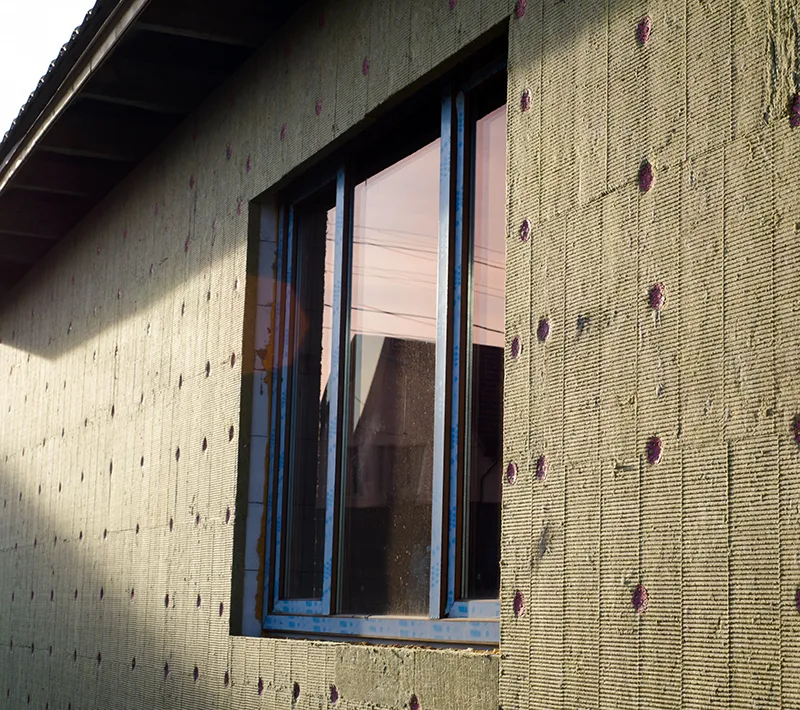
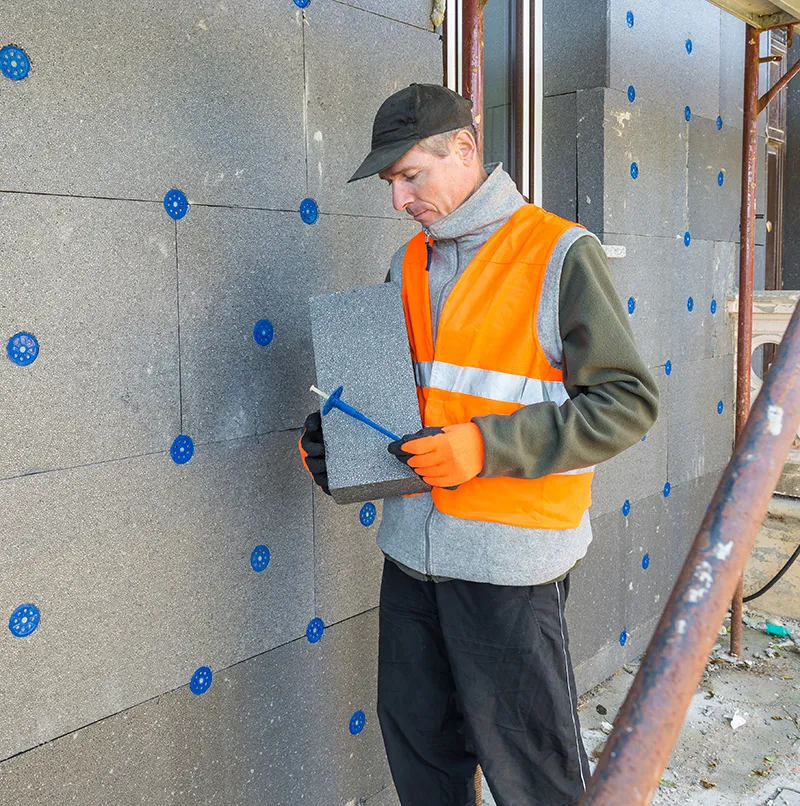
External wall insulation involves fixing a layer of insulating material to your home’s exterior, then protecting it with a render, cladding or brick slip finish. It creates a continuous thermal layer that wraps the building, helping to eliminate thermal bridges and improve airtightness.
Internal wall insulation
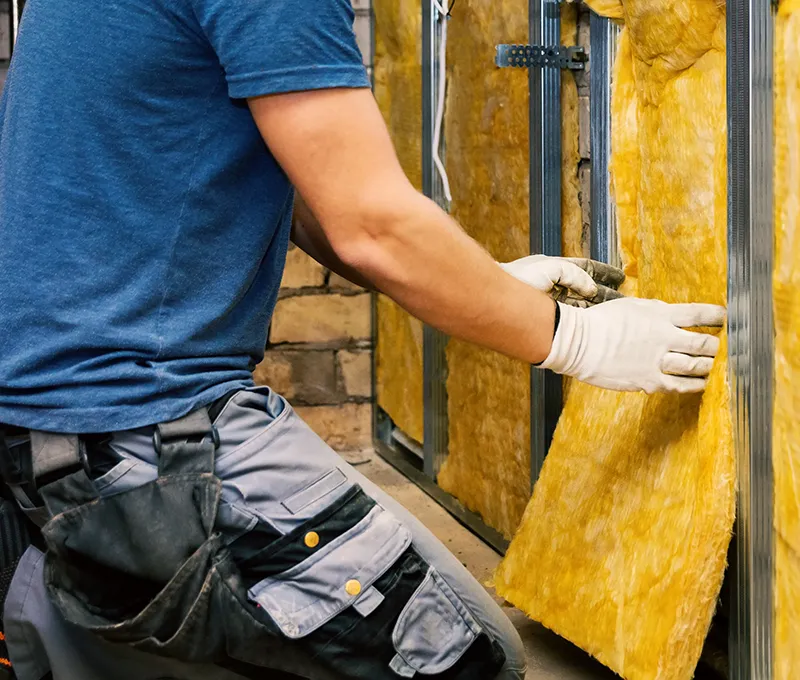
Internal wall insulation is fitted on the inside of the external walls, typically beneath plasterboard or insulated panels. This reduces heat loss and can improve acoustic performance, but can slightly reduce internal space and may require moving fixtures or fittings.
See how we’ve helped some local homes around Norfolk
Lorem ipsum dolor sit amet, consectetur adipisicing elit, sed do eiusmod tempor incididunt ut labore et dolore magna aliqua. Ut enim ad minim veniam, quis nostrud exercitation ullamco laboris nisi ut aliquip ex ea commodo consequat. Duis aute irure dolor in reprehenderit in voluptate
External wall insulation (EWI)
What it is
External wall insulation fixes insulating boards to the outside of your home and covers them with a weather-resistant finish, such as render or cladding.
Things to consider
- Typically more expensive than internal insulation.
- May require scaffolding and careful planning of external features.
- In conservation areas or on listed buildings, external changes may need special approval, even though planning permission is often not required.
Internal wall insulation (IWI)
What it is
Internal wall insulation adds an insulating layer to the inside of external walls. Materials can include rigid boards, insulating plaster, or stud walls with insulation infill.
Things to consider
- Can be disruptive inside the home and may require removal of skirting boards, radiators, or electrical fixtures.
- Internal space is reduced slightly due to the added insulation layer.
- Careful moisture management is needed to prevent condensation issues, especially in older solid wall properties.
Main benefits of solid wall insulation
Lorem ipsum dolor sit amet, consectetur adipisicing elit, sed do eiusmod tempor incididunt ut labore et dolore magna aliqua. Ut enim ad minim veniam, quis nostrud exercitation ullamco laboris nisi ut aliquip ex ea commodo consequat.
Lower bills and energy use
Solid wall insulation significantly reduces heat loss through external walls, helping your home retain warmth for longer and reducing the amount of energy needed for heating.
Improved comfort all year round
Insulated walls help maintain more stable indoor temperatures, making homes warmer in winter and reducing overheating in summer.
Reduced carbon emissions
By lowering overall energy demand, solid wall insulation helps cut carbon emissions and supports the transition to low-carbon heating and energy efficiency.
Improved noise reduction
Adding insulation to external walls can help reduce external noise, creating a quieter and more comfortable indoor environment, particularly in urban or roadside locations.
Protection for the building fabric
External wall insulation can improve weather resistance and protect masonry from exposure, while internal insulation can help regulate internal wall temperatures when correctly designed.
Potential property value increase
Improving wall insulation enhances overall energy performance, which can increase property appeal, future-proof the home, and support higher energy efficiency ratings.
Choosing between external and internal insulation – what you need to know
Which option is right for your property depends on your priorities, home construction, and planning requirements:
- External insulation is often preferable where you want to preserve internal space and minimise disruption, or improve the look of your home.
- Internal insulation can be more suitable when exterior changes are restricted (e.g. conservation areas) or where external access is limited.
A professional assessment is essential, as factors such as wall material, moisture characteristics, existing wall condition, and ventilation all influence the optimal solution.
What to expect during installation
External insulation
Installation typically takes several days to a few weeks, depending on property size and finish choice. A survey identifies any remedial work needed before insulation is fixed, boards are applied, mesh and render are added, and final finishes are applied.
Internal insulation
Internal works involve covering wall surfaces, installing insulation panels or stud walls, and finishing with plasterboard and decoration. You may need to temporarily relocate furniture and remove some fixtures.
In both cases, choosing accredited installers with experience in solid wall retrofit ensures quality, reduced risks of moisture problems, and long-term performance.
Solid wall insulation FAQs
Lorem ipsum dolor sit amet, consectetur adipisicing elit, sed do eiusmod tempor incididunt ut labore et dolore magna aliqua. Ut enim ad minim veniam, quis nostrud exercitation ullamco laboris nisi ut aliquip ex ea commodo consequat.
Lorem ipsum dolor sit amet, consectetur adipisicing elit, sed do eiusmod tempor incididunt ut labore et dolore magna aliqua. Ut enim ad minim veniam, quis nostrud exercitation ullamco laboris nisi ut aliquip ex ea commodo consequat.
Lorem ipsum dolor sit amet, consectetur adipisicing elit, sed do eiusmod tempor incididunt ut labore et dolore magna aliqua. Ut enim ad minim veniam, quis nostrud exercitation ullamco laboris nisi ut aliquip ex ea commodo consequat.
Lorem ipsum dolor sit amet, consectetur adipisicing elit, sed do eiusmod tempor incididunt ut labore et dolore magna aliqua. Ut enim ad minim veniam, quis nostrud exercitation ullamco laboris nisi ut aliquip ex ea commodo consequat.
Lorem ipsum dolor sit amet, consectetur adipisicing elit, sed do eiusmod tempor incididunt ut labore et dolore magna aliqua. Ut enim ad minim veniam, quis nostrud exercitation ullamco laboris nisi ut aliquip ex ea commodo consequat.
Lorem ipsum dolor sit amet, consectetur adipisicing elit, sed do eiusmod tempor incididunt ut labore et dolore magna aliqua. Ut enim ad minim veniam, quis nostrud exercitation ullamco laboris nisi ut aliquip ex ea commodo consequat.
Who can apply
Lorem ipsum dolor sit amet, consectetur adipisicing elit, sed do eiusmod tempor incididunt. Lorem ipsum dolor sit amet, consectetur adipisicing elit, sed do eiusmod. tempor incididunt ut labore et dolore magna aliqua.


Our partners
This project is supported by a group of local authorities and delivery partners, with funding from recognised public-sector programmes. Each partner plays a role in ensuring the service is accessible, reliable, and focused on the needs of local homeowners and renters.